Texas Early Music Project
2015
02
May
8:00 PM - 8:00 PM(GMT-05:00)

1
4
5
6
7
8
11
12
13
14
15
16
17
18
19
20
21
22
23 Austin Baroque Orchestra & Chorus
24 Austin Baroque Orchestra & Chorus
25
26
27
28
29
30
31
8:00 PM - 8:00 PM(GMT-05:00)
3:00 PM - 3:00 PM(GMT-05:00)
8:00 PM - 8:00 PM(GMT-05:00)
3:00 PM - 3:00 PM(GMT-05:00)
7:00 PM - 7:00 PM(GMT-05:00)
4:00 PM - 4:00 PM(GMT-05:00)
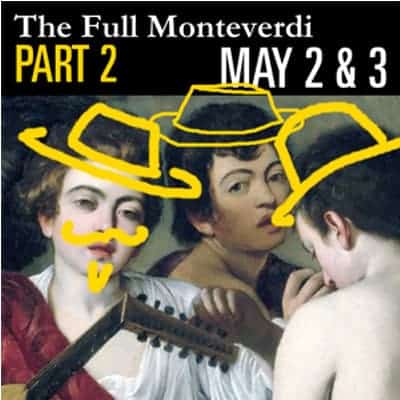
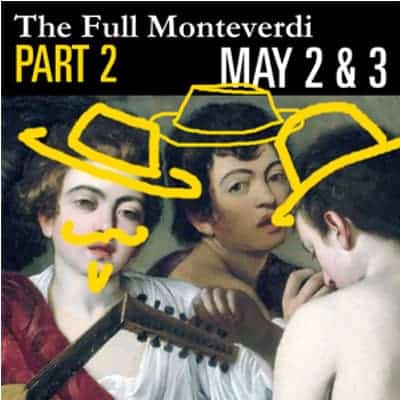
“The Full Monteverdi, Part 2”
We end our love song to Italy with music by Monteverdi and by composers who were influenced by him and some who might even have influenced the master a bit!
There are few composers whose careers have spanned two musical eras, and even fewer who have excelled majestically in both eras. More than 50 years separated Claudio Monteverdi’s first book of madrigals (1587) from his final large sacred and secular works in 1642, a time period that witnessed the transition of the musical Renaissance into the Baroque. We take a cue from the comedic movie The Full Monty to “expose” Monteverdi’s artistic brilliance in his second career, that of the Baroque composer.
Singers include Jenifer Thyssen, Gitanjali Mathur, Meredith Ruduski, Cayla Cardiff, Jenny Houghton, Stephanie Prewitt, Jeffrey Jones Ragona, David Lopez, Paul D’Arcy, Brett Barnes, Steve Olivares, Thann Scoggin, and guest mezzo-soprano Erin Calata, from Seattle.
Guest violinists Anna Griffis (Boston) and Boel Gidholm (Rochester) lead our chamber orchestra of cellos (Jane Leggiero & John Walters), theorbo & Baroque guitar (Scott Horton), triple harp (Elaine Barber), and harpsichord (Billy Traylor).
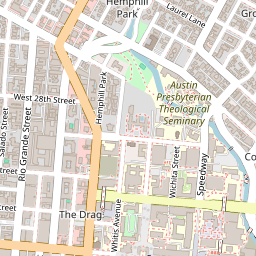
University Presbyterian Church
2203 San Antonio Street, Austin, TX
Texas Early Music Project
“The Full Monteverdi, Part 2”
We end our love song to Italy with music by Monteverdi and by composers who were influenced by him and some who might even have influenced the master a bit!
There are few composers whose careers have spanned two musical eras, and even fewer who have excelled majestically in both eras. More than 50 years separated Claudio Monteverdi’s first book of madrigals (1587) from his final large sacred and secular works in 1642, a time period that witnessed the transition of the musical Renaissance into the Baroque. We take a cue from the comedic movie The Full Monty to “expose” Monteverdi’s artistic brilliance in his second career, that of the Baroque composer.
Singers include Jenifer Thyssen, Gitanjali Mathur, Meredith Ruduski, Cayla Cardiff, Jenny Houghton, Stephanie Prewitt, Jeffrey Jones Ragona, David Lopez, Paul D’Arcy, Brett Barnes, Steve Olivares, Thann Scoggin, and guest mezzo-soprano Erin Calata, from Seattle.
Guest violinists Anna Griffis (Boston) and Boel Gidholm (Rochester) lead our chamber orchestra of cellos (Jane Leggiero & John Walters), theorbo & Baroque guitar (Scott Horton), triple harp (Elaine Barber), and harpsichord (Billy Traylor).
First Presbyterian Church
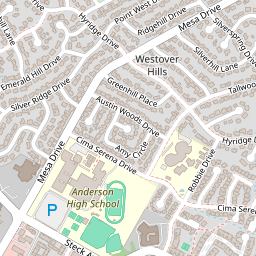
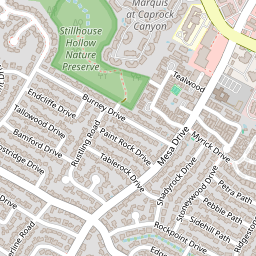
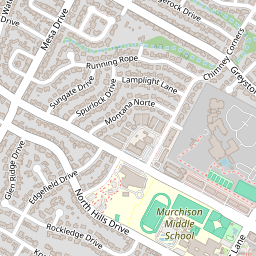
8001 Mesa Drive, Austin, TX
Texas Early Music Project
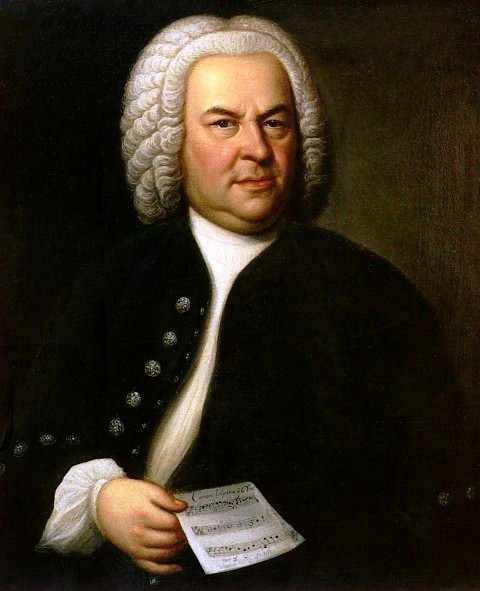
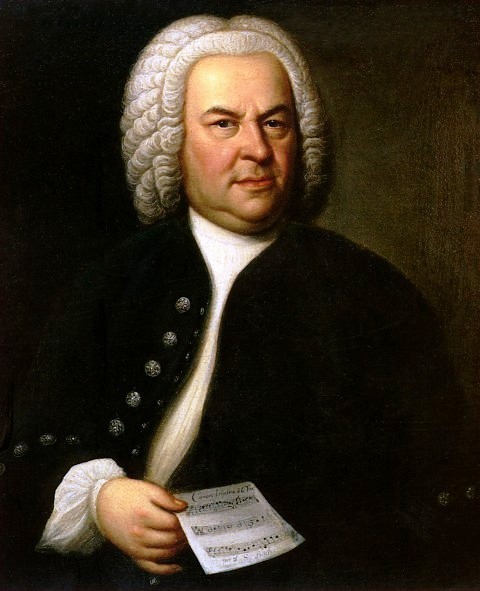
J.S. Bach’s “The Art of Fugue”
In the last decade of his life, Bach undertook the composition of 18 studies based on a single theme, which he collectively titled Die Kunst der Fuge, or The Art of Fugue. Fourteen of these studies are so-called fugues, a compositional form employing imitative entrances of the theme under strict rules. Bach was (and still is) the undisputed master of fugal composition. However, the permutations of this theme that Bach conceived stretched even his mighty powers to the limit. The theme is turned upside down. It is played at the same time as the main theme. It is played with shorter and longer note durations simultaneously, and much more. The final fugue (apparently left unfinished at his death) combines three other themes with the main theme, one of those themes being a spelling of his name. Several composers have humbly attempted completions of this fugue, and La Follia will perform one of the most famous.
First Presbyterian Church
8001 Mesa Drive, Austin, TX
La Follia Austin Baroque
J.S. Bach’s “The Art of Fugue”
In the last decade of his life, Bach undertook the composition of 18 studies based on a single theme, which he collectively titled Die Kunst der Fuge, or The Art of Fugue. Fourteen of these studies are so-called fugues, a compositional form employing imitative entrances of the theme under strict rules. Bach was (and still is) the undisputed master of fugal composition. However, the permutations of this theme that Bach conceived stretched even his mighty powers to the limit. The theme is turned upside down. It is played at the same time as the main theme. It is played with shorter and longer note durations simultaneously, and much more. The final fugue (apparently left unfinished at his death) combines three other themes with the main theme, one of those themes being a spelling of his name. Several composers have humbly attempted completions of this fugue, and La Follia will perform one of the most famous.
First Presbyterian Church
8001 Mesa Drive, Austin, TX
La Follia Austin Baroque
Handel’s operas were wildly popular in London. They were so popular that the immigrant Handel was soon the most famous musician in the English capital, and he had more than his share of friends, enemies, and frenemies. The English couldn’t get enough of his musical dramas, complete with all of the extremes of human emotion, not to mention the plethora off-stage personal drama that permeated the lives of his divas.
The industrious Saxon realized that Londoners might enjoy religious drama as much as they did operas about ancient heroes and gods. In 1732 he revised an earlier piece he had written, based on a libretto by Jean Racine and depicting the story of the Old Testament heroine Esther. His supporters found out, and begged him to reprise the work. There was one problem: the Bishop of London forbade any presentation of any Biblical story on stage. Handel’s solution was simple and brilliant: namely, to perform the work on stage as a concert, and not as a musical drama. It worked, and in the process he created a genre with which his name has been inexorably linked – the English oratorio.
We hope you’ll join us for our fourth season grand finale, Handel’s masterful Esther. Calling for a large, colorful orchestra that includes a full compliment of woodwinds, brass, strings and even harp, a full chorus, and soloists, you’ll experience some of Handel’s most powerful choral writing, as well as some of his most beautiful writing for solo voice. Come and learn how Esther, a Jewish orphan, becomes Queen of Persia and through cleverness, bravery, and more than just a little bit of her feminine charms, saves her people from a bloody fate. The best part? It’s sung in English, so you’ll know exactly what they’re saying!
First Presbyterian Church
8001 Mesa Drive, Austin, TX
Austin Baroque Orchestra & Chorus
Handel’s operas were wildly popular in London. They were so popular that the immigrant Handel was soon the most famous musician in the English capital, and he had more than his share of friends, enemies, and frenemies. The English couldn’t get enough of his musical dramas, complete with all of the extremes of human emotion, not to mention the plethora off-stage personal drama that permeated the lives of his divas.
The industrious Saxon realized that Londoners might enjoy religious drama as much as they did operas about ancient heroes and gods. In 1732 he revised an earlier piece he had written, based on a libretto by Jean Racine and depicting the story of the Old Testament heroine Esther. His supporters found out, and begged him to reprise the work. There was one problem: the Bishop of London forbade any presentation of any Biblical story on stage. Handel’s solution was simple and brilliant: namely, to perform the work on stage as a concert, and not as a musical drama. It worked, and in the process he created a genre with which his name has been inexorably linked – the English oratorio.
We hope you’ll join us for our fourth season grand finale, Handel’s masterful Esther. Calling for a large, colorful orchestra that includes a full compliment of woodwinds, brass, strings and even harp, a full chorus, and soloists, you’ll experience some of Handel’s most powerful choral writing, as well as some of his most beautiful writing for solo voice. Come and learn how Esther, a Jewish orphan, becomes Queen of Persia and through cleverness, bravery, and more than just a little bit of her feminine charms, saves her people from a bloody fate. The best part? It’s sung in English, so you’ll know exactly what they’re saying!
St. John's Lutheran Church
502 E. Nueva St., San Antonio, TX
Austin Baroque Orchestra & Chorus