
Page 20 of 36
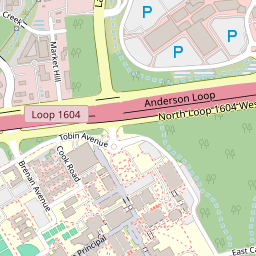
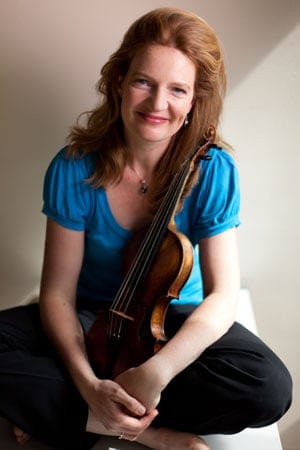
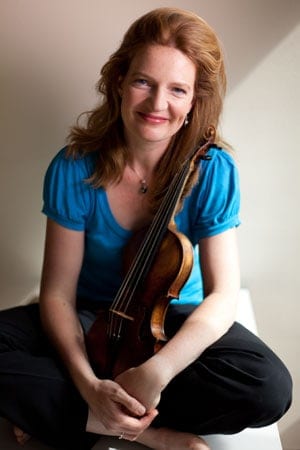
Violinist Rachel Podger and UTSA faculty member, Stacey Davis will lecture on Performing Solo Bach: Analysis, Expression, and Creativity. The lecture is sponsored by the UTSA Institute for Music Reasearch’s Donald Hodges Lecture Series.
Following the lecture, Ms. Podger will perform Bach’s Partita No. 1 in B minor and the Sonata No. 1 in G minor.
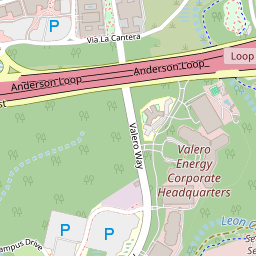
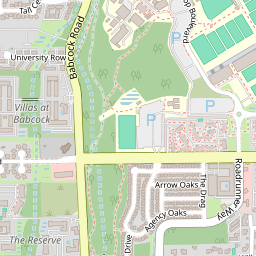
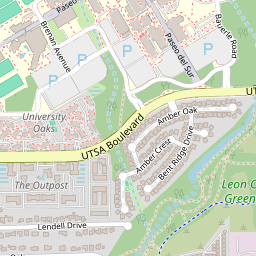
UTSA Recital Hall
UTSA Department of Music, , San Antonio, TX
Rachel Podger, baroque violin
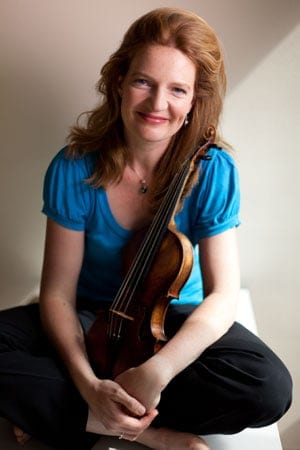
Rachel Podger will present her first solo violin recital as guest resident in the UTSA Music Department. Ms. Podger will perform Biber’s Passacaglia in G minor from Mystery Sonatas and Bach’s Partita No. 2 in D minor.
UTSA Recital Hall
UTSA Department of Music, , San Antonio, TX
Rachel Podger, baroque violin
http://music.utsa.edu/index.php/embeds/event/podger-residency-improvisation-workshop
UTSA Recital Hall
UTSA Department of Music, , San Antonio, TX
Rachel Podger, baroque violin
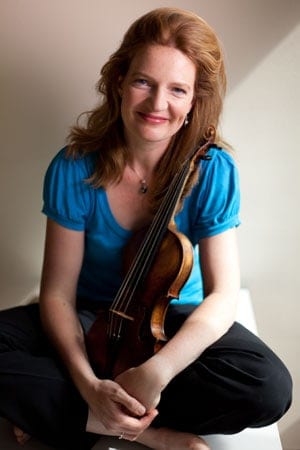
Rachel Podger will conduct two master classes with UTSA music students. Each student will perform a movement from one of J.S. Bach’s unaccompanied string pieces.
UTSA Recital Hall
UTSA Department of Music, , San Antonio, TX
Rachel Podger, baroque violin
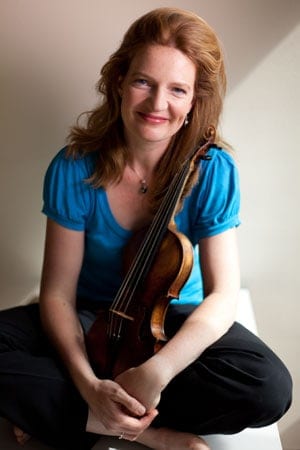
As part of her week long guest residency, Rachel Podger will present a Baroque performance practice lecture.
UTSA Recital Hall
UTSA Department of Music, , San Antonio, TX
Rachel Podger, baroque violin
“A Tale of Three Cathedrals” Latin American archives hold a treasure trove of sacred music written for the many holidays and feasts of the church year. Join us in our fourth annual celebration of this long-neglected repertoire, honoring the San Antonio Missions’ recent selection as a UNESCO World Heritage Site. The performance will include music from Mexico City, Oaxaca, and Durango Cathedrals, with ornate baroque works by Sumaya and Salazar, pleasant galant music by Jerúsalem, Billoni, and the Classically-tinged compositions of Tollis de la Rocca and Juanas.
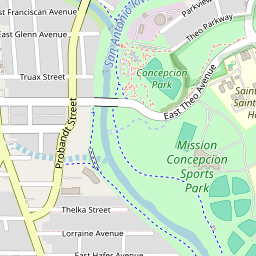
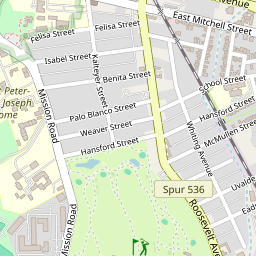
Mission Concepción
807 Mission Road, San Antonio, TX
Austin Baroque Orchestra & Chorus
“A Tale of Three Cathedrals” Latin American archives hold a treasure trove of sacred music written for the many holidays and feasts of the church year. Join us in our fourth annual celebration of this long-neglected repertoire, honoring the San Antonio Missions’ recent selection as a UNESCO World Heritage Site. The performance will include music from Mexico City, Oaxaca, and Durango Cathedrals, with ornate baroque works by Sumaya and Salazar, pleasant galant music by Jerúsalem, Billoni, and the Classically-tinged compositions of Tollis de la Rocca and Juanas.
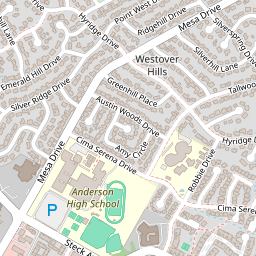
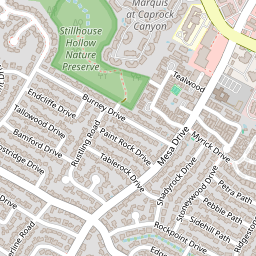
First Presbyterian Church
8001 Mesa Drive, Austin, TX
Austin Baroque Orchestra & Chorus
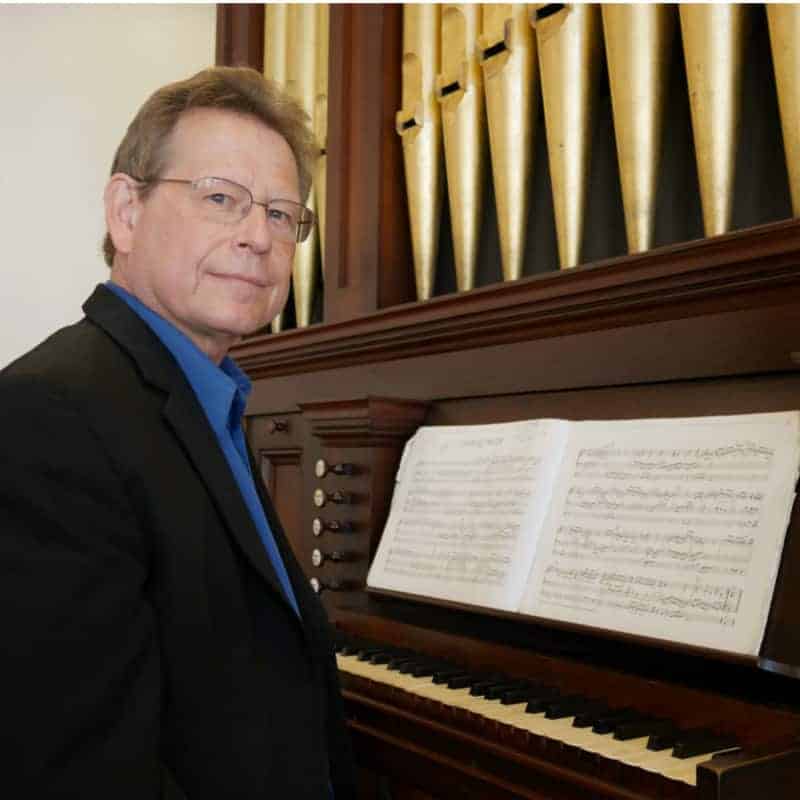
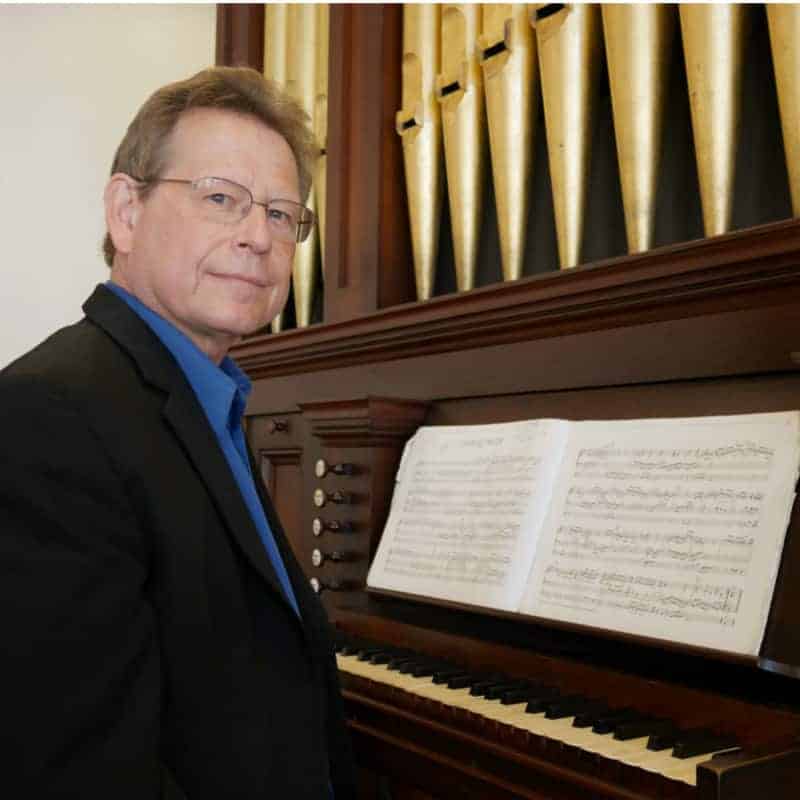
La Follia’s director Keith Womer performs concertos for organ and strings on the historic 1862 Holbrook Organ, with the La Follia string ensemble. Sponsored by the Austin Chapter of the American Guild of Organists, the concert features concertos by Handel, Mozart, Haydn, JC Bach and CPE Bach, with the La Follia string ensemble gracing and filling out the organ’s vibrant color. In addition, concertmaster Stephen Redfield will join Mr. Womer to perform a Vivaldi concerto for organ and violin, and countertenor Nick Zammit will perform JS Bach arias for alto, obbligato organ, and strings.
Redeemer Presbyterian Church
2111 Alexander Ave., Austin, TX
La Follia Austin Baroque
La Follia’s director Keith Womer performs concertos for organ and strings on the historic 1862 Holbrook Organ, with the La Follia string ensemble. Sponsored by the Austin Chapter of the American Guild of Organists, the concert features concertos by Handel, Mozart, Haydn, JC Bach and CPE Bach, with the La Follia string ensemble gracing and filling out the organ’s vibrant color. In addition, concertmaster Stephen Redfield will join Mr. Womer to perform a Vivaldi concerto for organ and violin, and countertenor Nick Zammit will perform JS Bach arias for alto, obbligato organ, and strings.
Redeemer Presbyterian Church
2111 Alexander Ave., Austin, TX
La Follia Austin Baroque
American Roots: An evening concert at Jefferson’s Monticello. Commemorating July 4, La Follia recreates concerts where Thomas Jefferson himself would have played on violin at Monticello. Many works are from Jefferson’s musical library, catalogued by Jefferson himself, with some annotated in his own hand. Others are from operas and chamber music performances he attended in France and the United States.
Special guest is Jonathan Godfrey, violin, concertmaster of Mercury, Houston’s period instrument orchestra. Performing from La Follia are Joan Carlson, soprano, Marcus McGuff, Baroque flute, Scott Horton, Baroque guitar, and Keith Womer, harpsichord and fortepiano.
First Presbyterian Church
8001 Mesa Drive, Austin, TX
La Follia Austin Baroque
American Roots: An evening concert at Jefferson’s Monticello. Commemorating July 4, La Follia Austin Baroque recreates concerts where Thomas Jefferson himself would have played on violin at Monticello. Many works are from Jefferson’s musical library, catalogued by Jefferson himself, with some annotated in his own hand. Others are from operas and chamber music performances he attended in France and the United States.
Special guest is Jonathan Godfrey, violin, concertmaster of Mercury, Houston’s period instrument orchestra. Performing from La Follia are Joan Carlson, soprano, Marcus McGuff, Baroque flute, Scott Horton, Baroque guitar, and Keith Womer, harpsichord and fortepiano.
First Presbyterian Church
8001 Mesa Drive, Austin, TX
La Follia Austin Baroque
Handel’s operas were wildly popular in London. They were so popular that the immigrant Handel was soon the most famous musician in the English capital, and he had more than his share of friends, enemies, and frenemies. The English couldn’t get enough of his musical dramas, complete with all of the extremes of human emotion, not to mention the plethora off-stage personal drama that permeated the lives of his divas.
The industrious Saxon realized that Londoners might enjoy religious drama as much as they did operas about ancient heroes and gods. In 1732 he revised an earlier piece he had written, based on a libretto by Jean Racine and depicting the story of the Old Testament heroine Esther. His supporters found out, and begged him to reprise the work. There was one problem: the Bishop of London forbade any presentation of any Biblical story on stage. Handel’s solution was simple and brilliant: namely, to perform the work on stage as a concert, and not as a musical drama. It worked, and in the process he created a genre with which his name has been inexorably linked – the English oratorio.
We hope you’ll join us for our fourth season grand finale, Handel’s masterful Esther. Calling for a large, colorful orchestra that includes a full compliment of woodwinds, brass, strings and even harp, a full chorus, and soloists, you’ll experience some of Handel’s most powerful choral writing, as well as some of his most beautiful writing for solo voice. Come and learn how Esther, a Jewish orphan, becomes Queen of Persia and through cleverness, bravery, and more than just a little bit of her feminine charms, saves her people from a bloody fate. The best part? It’s sung in English, so you’ll know exactly what they’re saying!
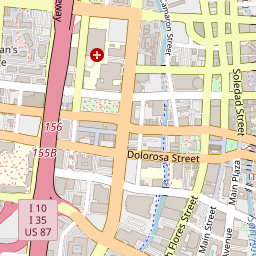
St. John's Lutheran Church
502 E. Nueva St., San Antonio, TX
Austin Baroque Orchestra & Chorus